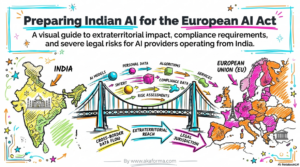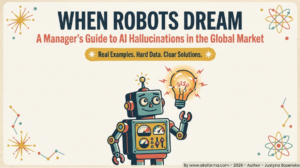
Here is a punchy, professional description designed to pitch your 4-ebook bundle to a global audience, optimized for digital downloads.
Protect the future : The ultimate AI & cyber intelligence bundle
The exploitation of personal data has evolved into a major geopolitical and security crisis. As global systems become deeply interconnected, private information leaks present a direct threat to the stability of businesses, citizens, and nations alike.
This comprehensive 4-part ebook series delivers the actionable insights, strategic frameworks, and technical definitions you need to navigate and neutralize next-generation digital threats.
What is inside the bundle ? 4 ebooks
-
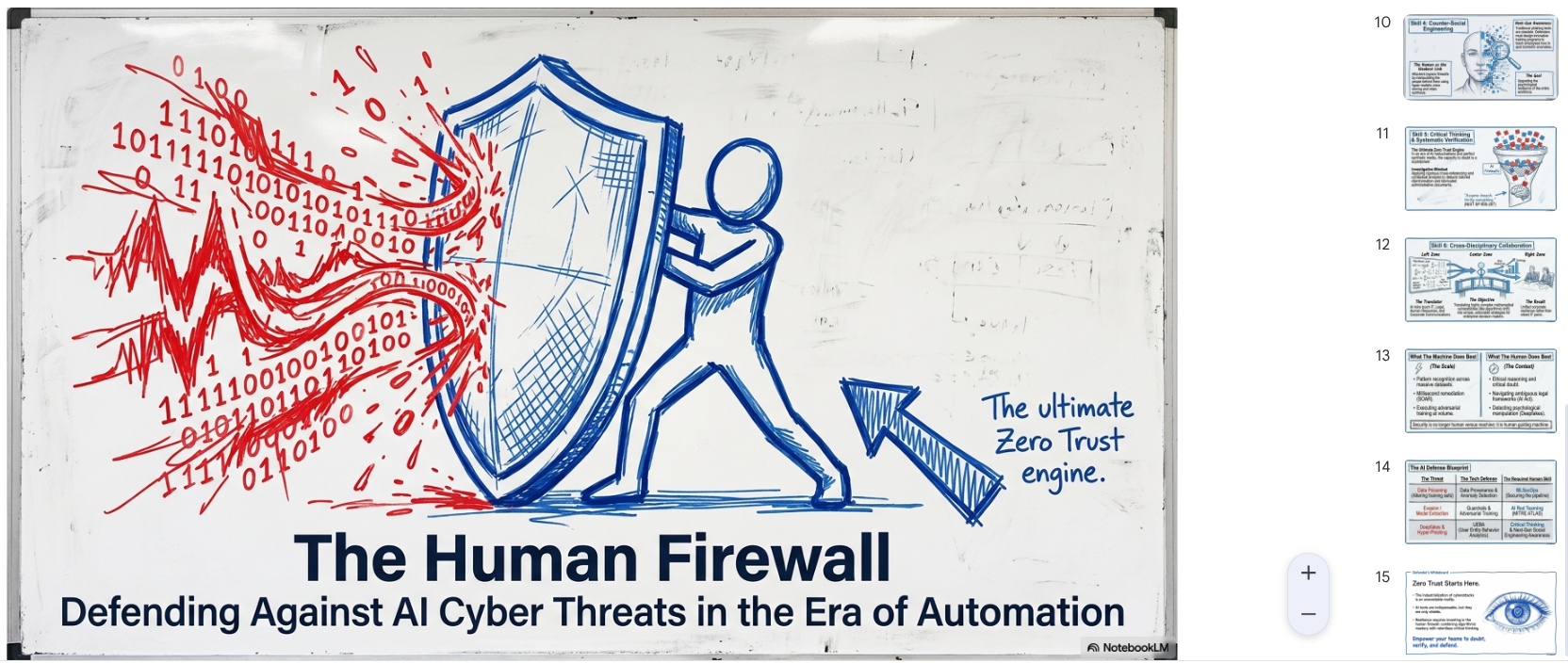
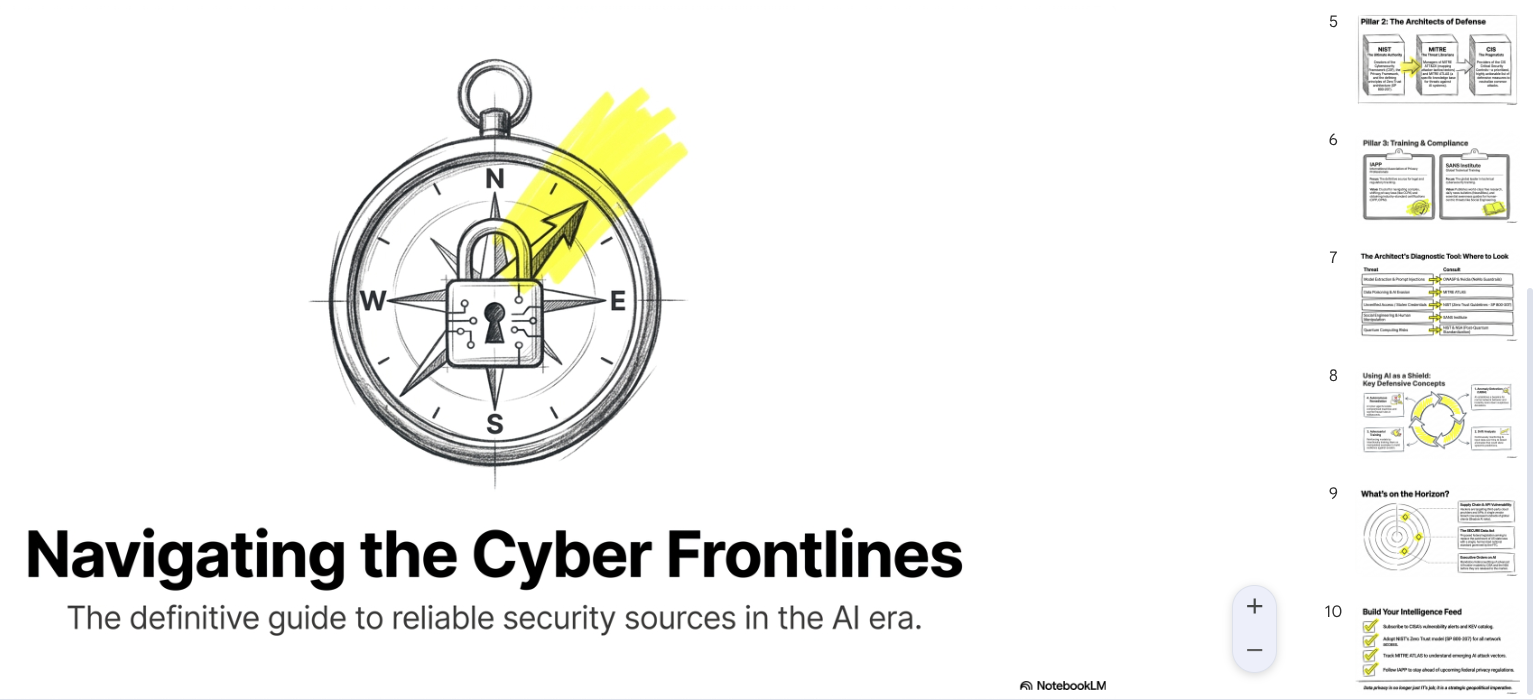
Ebook 1 : The human firewall (15 pages) Master the critical human element of cybersecurity. Learn to identify and defend against hyper-personalized phishing campaigns and AI-driven social engineering before hackers exploit your personal information.
-
Ebook 2 : Cyber intelligence blueprint (10 pages) An analytical breakdown of modern global threats. Understand how state-sponsored espionage targets identity data, infiltrates critical infrastructures, and destabilizes organizations through supply chain vulnerabilities.
-
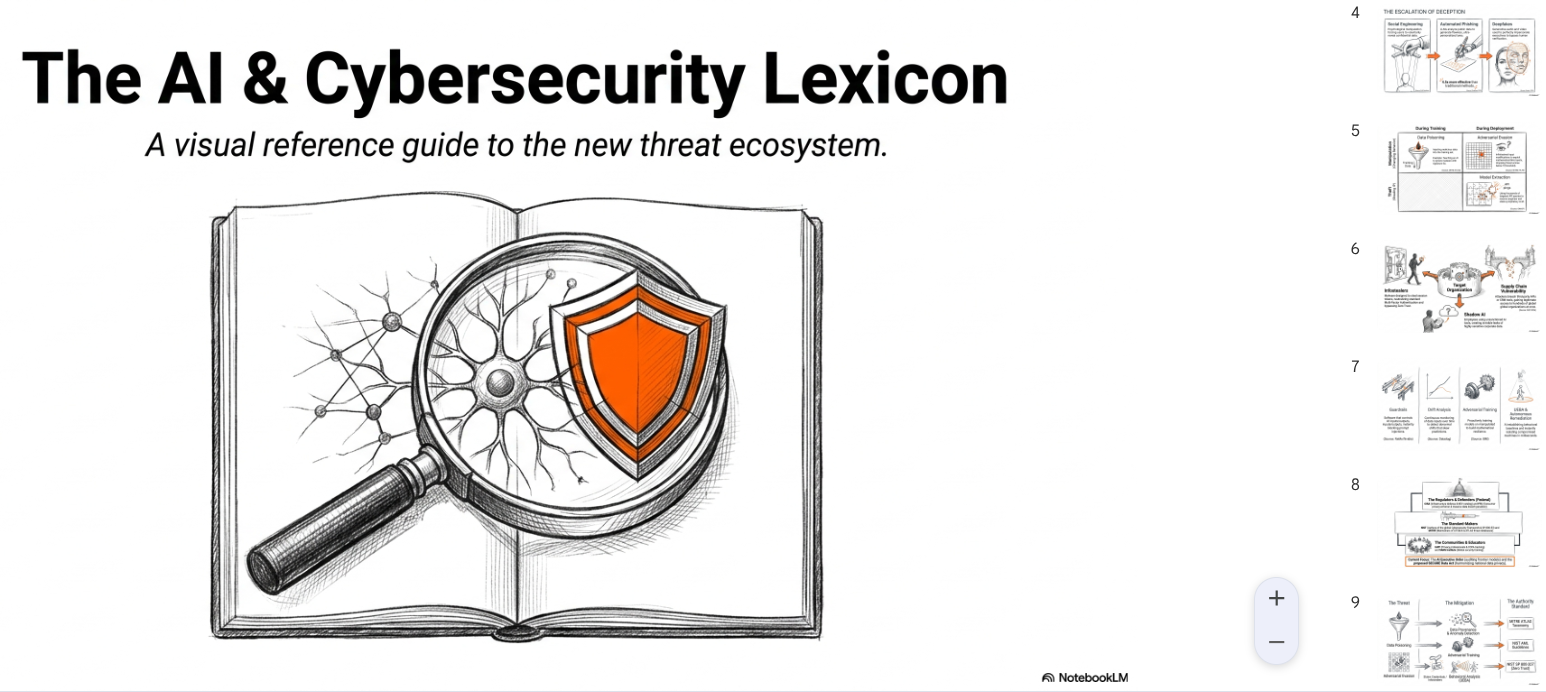
Ebook 3 : AI security lexicon (9 pages)
Speak the language of modern defense. This essential glossary clears up complex terminology, covering everything from Zero Trust architectures to data poisoning and AI-specific attack vectors.
-
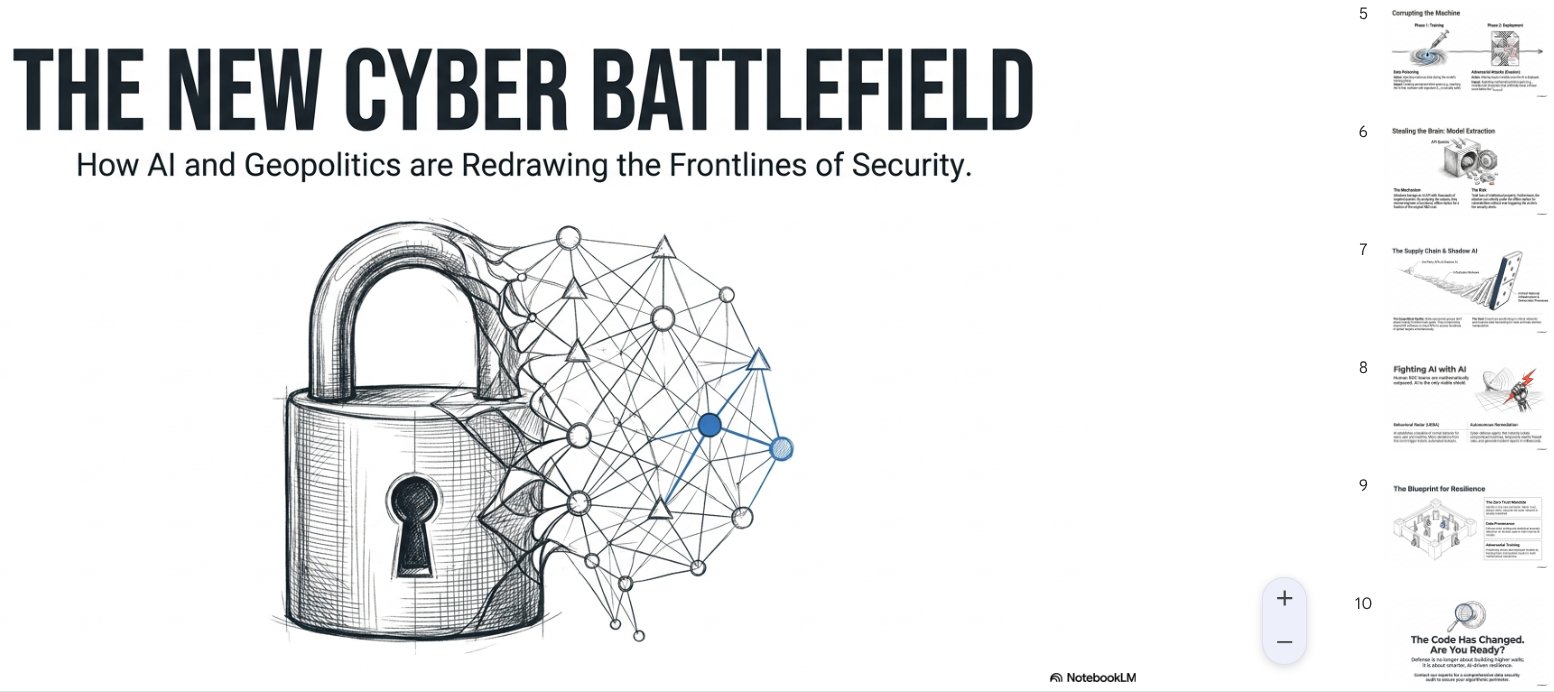
Ebook 4 : The algorithmic battlefield (10 pages) Unpack the weaponization of machine learning. Discover how autonomous agents automate data theft at a global scale and how organizations can deploy defensive AI to safeguard sensitive datasets.
Key takeaways you will gain
-
Understand AI weaponization : Learn how generative AI and autonomous agents are currently used to automate massive, undetectable data theft.
-
Neutralize deepfakes and fraud : Discover how stolen audio and visual data are used for identity theft to infiltrate critical networks, and how to spot them.
-
Secure your supply chain : Identify the vulnerabilities within third-party APIs and the rising infostealer black market that bypasses traditional multi-factor authentication.
-
Counter disinformation : Understand how behavioral databases are weaponized to profile populations and run mass influence operations.
Backed by global intelligence This bundle synthesizes critical data, methodologies, and frameworks from top international security authorities, including the World Economic Forum, Cloudflare, and Google Cloud security forecasts.
Download the 4-Ebook Pack Now
Personal data leaks now threaten global stability. Interconnected systems turn private information into geopolitical weapons.
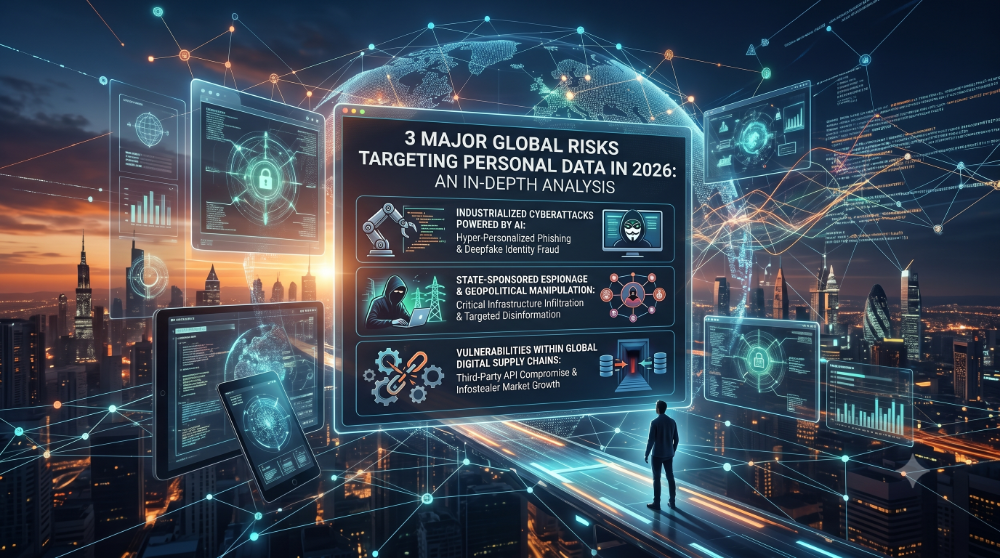
We must understand how threat actors weaponize this data. Here is an in-depth analysis of the main threats.
Industrialized cyberattacks powered by artificial intelligence
Generative artificial intelligence and autonomous agents automate data theft. Hackers use these tools to target millions of people simultaneously.
Hyper-personalized phishing attacks
Large language models analyze public profiles and leaked databases. They generate highly convincing messages. This makes phishing almost impossible to detect.
Artificial intelligence cuts the time needed to create a convincing email by 90%. (Source: Google Cloud Cybersecurity Forecasts 2026). Attackers now scale campaigns that once required weeks of manual research.
These systems adapt their language based on the target’s past writing style. (Source: Google Cloud Cybersecurity Forecasts 2026). This increases the success rate of attacks on corporate networks.
Advanced identity fraud through deepfakes
Stolen voice and video recordings help attackers create clones. They use these deepfakes to breach networks or steal funds.
Over 40% of organizations faced a deepfake attempt in 2025. (Source: Gartner Risk Management Report 2025). This trend is rising rapidly.
Attackers use cloned voices to bypass voice authentication systems in banking. (Source: Gartner Risk Management Report 2025). They also trick employees into making urgent financial transfers.
State-sponsored espionage and geopolitical manipulation
State-backed hackers steal identity data. They use this information to build long-term influence.
Critical infrastructure infiltration techniques
Attackers steal login details and active session tokens. This allows foreign powers to access power grids, telecom networks, and transport systems. (Source: World Economic Forum Global Cybersecurity Outlook 2026).
State-sponsored actors compromised over 150 utility targets in 2025. (Source: CISA Security Alert 2025). They remain hidden in these networks for months.
This silent presence allows adversaries to prepare for potential conflicts. (Source: World Economic Forum Global Cybersecurity Outlook 2026). They can disrupt vital services during a crisis.
Targeted disinformation campaigns on social networks
Behavioral databases are now weaponized. Foreign actors profile populations to disrupt democratic elections.
Artificial intelligence-generated text campaigns targeted 12 major democratic elections in 2025. (Source: European Union Cybersecurity Agency Report 2025).
These campaigns use leaked personal data to target specific voter groups. (Source: World Economic Forum Global Cybersecurity Outlook 2026). They exploit local social divisions to weaken trust in public institutions.
Vulnerabilities within global digital supply chains
Centralized data storage creates a dangerous domino effect. Hackers target subcontractors instead of main organizations.
Third-party API compromise vectors
Software integrations are weak links in corporate security. A single security flaw at a data provider can expose hundreds of global companies. (Source: Cloudflare Cloud Threats Report 2026).
Application programming interface attacks increased by 137% in 2025. (Source: Cloudflare Cloud Threats Report 2026). Attackers exploit these connections to bypass main network defenses.
Organizations often lack visibility into what data their partners access. (Source: Cloudflare Cloud Threats Report 2026). This makes detection very difficult.
The rapid growth of the infostealer market
Malware designed to steal active login sessions is spreading. This bypasses traditional multi-factor authentication.
Infostealers harvest credentials from personal devices used for work. (Source: Google Cloud Cybersecurity Forecasts 2026).
Millions of stolen credentials are sold daily on dark web markets. (Source: Google Cloud Cybersecurity Forecasts 2026). This market simplifies entry for low-skilled criminals.